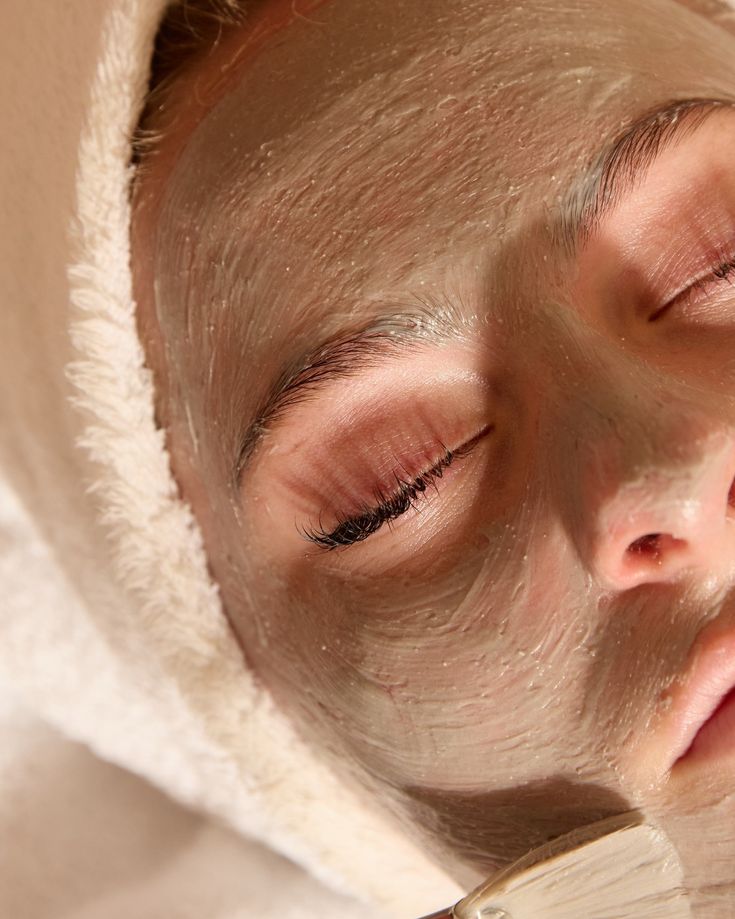


Wondering how often you should get a facial? Learn the ideal schedule for every skin type and discover how regular treatments help maintain healthy, glowing skin.
How Often Should You Get a Facial?
If you’ve ever wondered, “How often should I get a facial?”, you’re not alone. It’s one of the most common questions skincare professionals hear, and the answer depends on your skin type, lifestyle, and skincare goals.
While there isn’t a one-size-fits-all schedule, regular professional facials can make a noticeable difference in your skin’s health and appearance. They help remove impurities that daily cleansing can’t reach, improve hydration, encourage healthy cell turnover, and give your skin the personalized care it needs throughout the year.
Whether you’re looking to maintain a radiant complexion, address acne, reduce signs of aging, or simply enjoy a relaxing self-care experience, understanding the right facial schedule can help you get the most from every treatment.

Why Regular Facials Matter
Your skin is constantly changing. Weather, stress, hormones, diet, travel, sun exposure, and even lack of sleep can all affect how your skin looks and feels. While a consistent at-home skincare routine is essential, professional treatments provide a deeper level of care that supports long-term skin health.
Professional facials can help:
- Deeply cleanse pores and remove buildup.
- Improve hydration and strengthen the skin barrier.
- Brighten dull, tired-looking skin.
- Smooth uneven texture.
- Support healthy collagen production.
- Calm sensitive or irritated skin.
- Prepare your skin for seasonal changes.
Think of a facial as routine maintenance for your skin. Just as regular dental cleanings help keep your teeth healthy, consistent facial treatments help your skin stay balanced and resilient.
The General Recommendation: Every Four to Six Weeks
For most people, scheduling a facial every four to six weeks is ideal.
Why this timeframe? Your skin naturally renews itself approximately every 28 to 40 days, depending on factors like age and overall skin health. Professional treatments timed with this natural renewal cycle can help keep your complexion looking clear, hydrated, and refreshed.
Maintaining this schedule also allows your esthetician to monitor changes in your skin and adjust treatments based on seasonal conditions or evolving concerns.
The Best Facial Schedule for Different Skin Types
Dry or Dehydrated Skin
Dry skin often benefits from treatments every four weeks. Hydrating facials help replenish moisture, improve softness, and strengthen the skin’s protective barrier.
When skin stays properly hydrated, it often appears smoother, brighter, and more comfortable throughout the day.
Oily or Acne-Prone Skin
If you’re dealing with congestion, frequent breakouts, or excess oil, facials every three to four weeks may be recommended initially.
Professional extractions, gentle exfoliation, and customized treatments can help keep pores clear while supporting healthier-looking skin over time. As your skin improves, your esthetician may recommend extending the time between appointments.
Sensitive Skin
Sensitive skin benefits from consistency rather than aggressive treatments.
A calming facial every four to six weeks can help reduce visible redness, improve hydration, and support the skin barrier while minimizing irritation.
Mature Skin
As collagen production naturally slows with age, regular facial treatments become even more valuable.
Monthly treatments can help improve hydration, support skin elasticity, soften the appearance of fine lines, and promote a more radiant complexion.
Can You Get Facials Too Often?
More isn’t always better.
Receiving intensive facial treatments too frequently may temporarily increase sensitivity or disrupt your skin barrier, especially if strong exfoliants or chemical peels are involved.
Your skincare professional will recommend a treatment schedule based on your skin’s condition and goals, ensuring each appointment supports healthy, balanced skin rather than overwhelming it.
Signs It’s Time to Schedule a Facial
Your skin often tells you when it needs extra attention. Consider booking a facial if you notice:
- Persistent dryness or dehydration.
- Dull or uneven-looking skin.
- Congested pores or blackheads.
- Increased breakouts.
- Rough texture.
- Excess oil production.
- Seasonal changes affecting your complexion.
- A special event coming up where you’d like your skin to look its best.
Regular maintenance helps prevent many of these concerns from becoming more noticeable.
Between Appointments: How to Keep Your Skin Looking Its Best
Professional treatments work best when paired with a consistent home skincare routine.
To extend the benefits of your facial:
- Cleanse your skin gently every day.
- Apply moisturizer morning and evening.
- Wear sunscreen daily, even on cloudy days.
- Drink plenty of water.
- Avoid picking at blemishes.
- Use skincare products recommended for your skin type.
Healthy daily habits make every professional treatment even more effective.
Choosing the Right Facial Matters
Not every facial is designed for the same concern. A customized treatment provides better results because it’s tailored to your skin’s current needs.
Whether your goal is hydration, brightening, deep cleansing, relaxation, or anti-aging support, an experienced esthetician can recommend the treatment that best fits your skin.
At DESUAR Spa, every facial begins with a personalized skin assessment, allowing our team to recommend treatments that help you achieve healthier, more radiant skin while creating a relaxing experience from start to finish.
Invest in Your Skin’s Long-Term Health
Healthy skin doesn’t happen overnight—it develops through consistent care and thoughtful maintenance.
Scheduling professional facials every four to six weeks, combined with a personalized home skincare routine, can help your skin stay clear, hydrated, and glowing throughout the year.
If you’re ready to experience the benefits of professional skincare, the team at DESUAR Spa is here to help you choose the facial that’s right for your skin and your goals.